From molecular processes in the brain to patterns across the entire healthcare system: at MedUni Vienna, different research perspectives are coming closer together. New buildings and shared infrastructure are creating the conditions for basic research in behavioural biology and data-driven science of complex systems to intertwine more closely: with the aim of gaining a more comprehensive understanding of health and disease.
After activation, data will be sent to YouTube. Further information here: Data protection
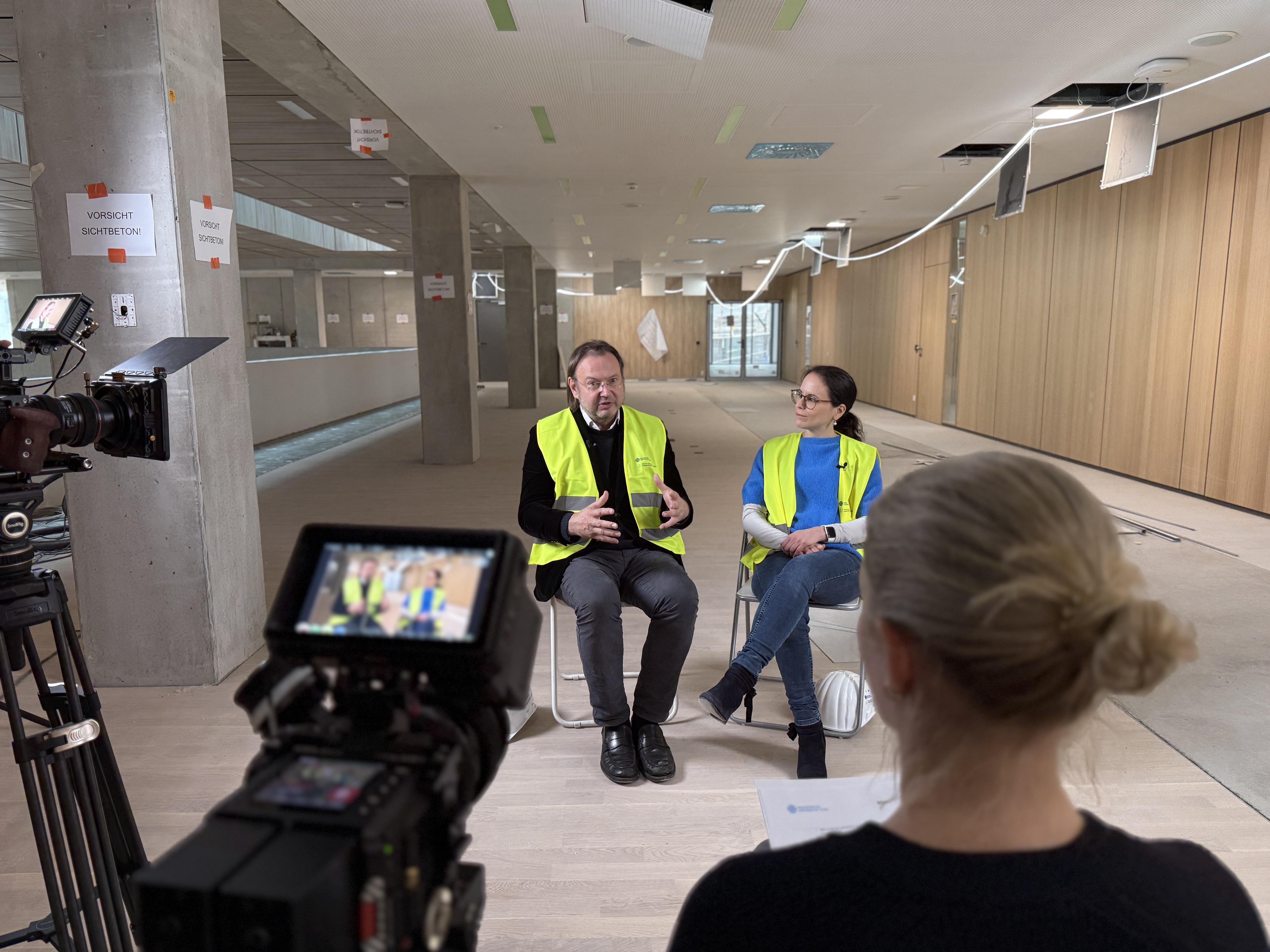
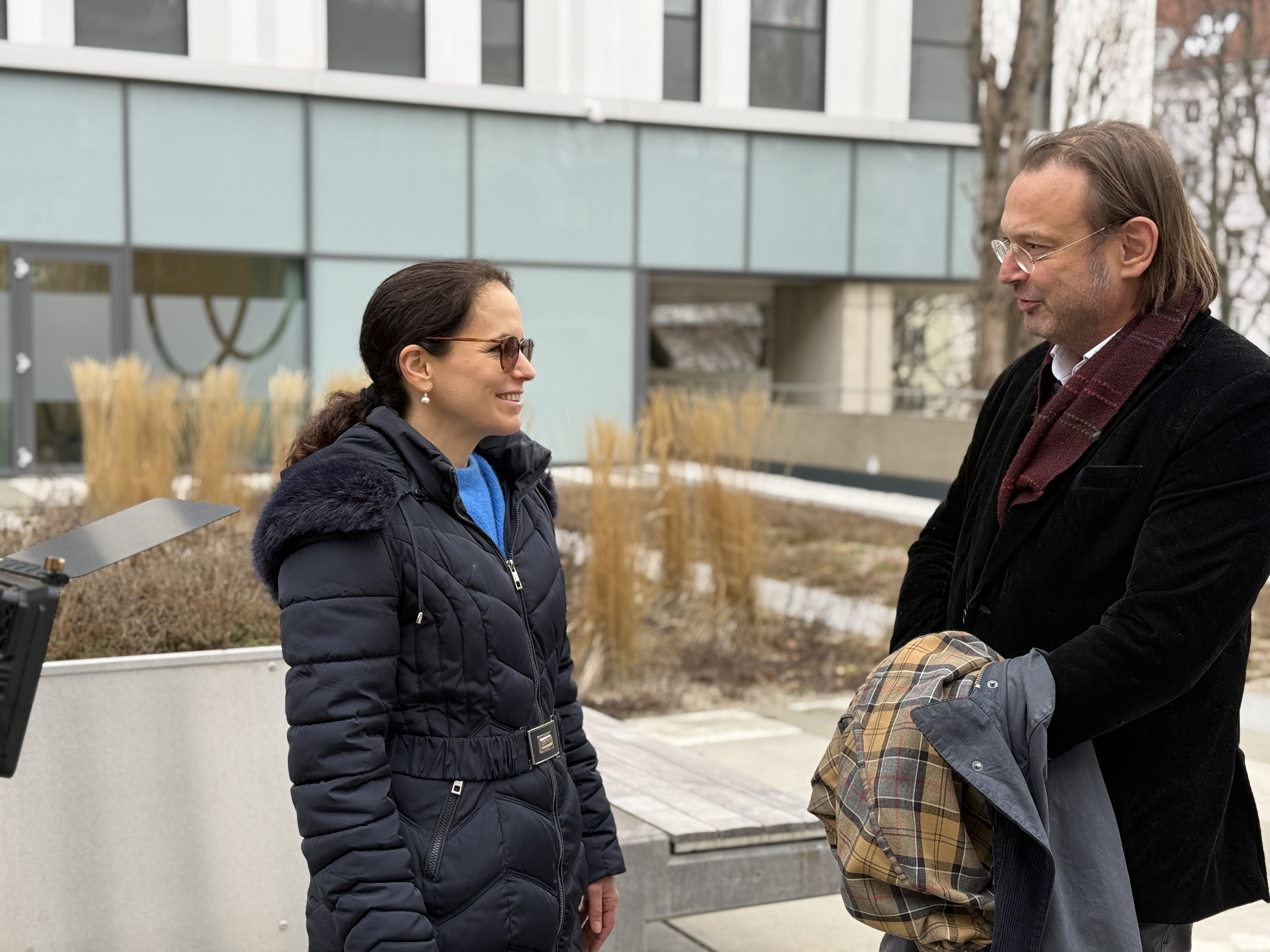
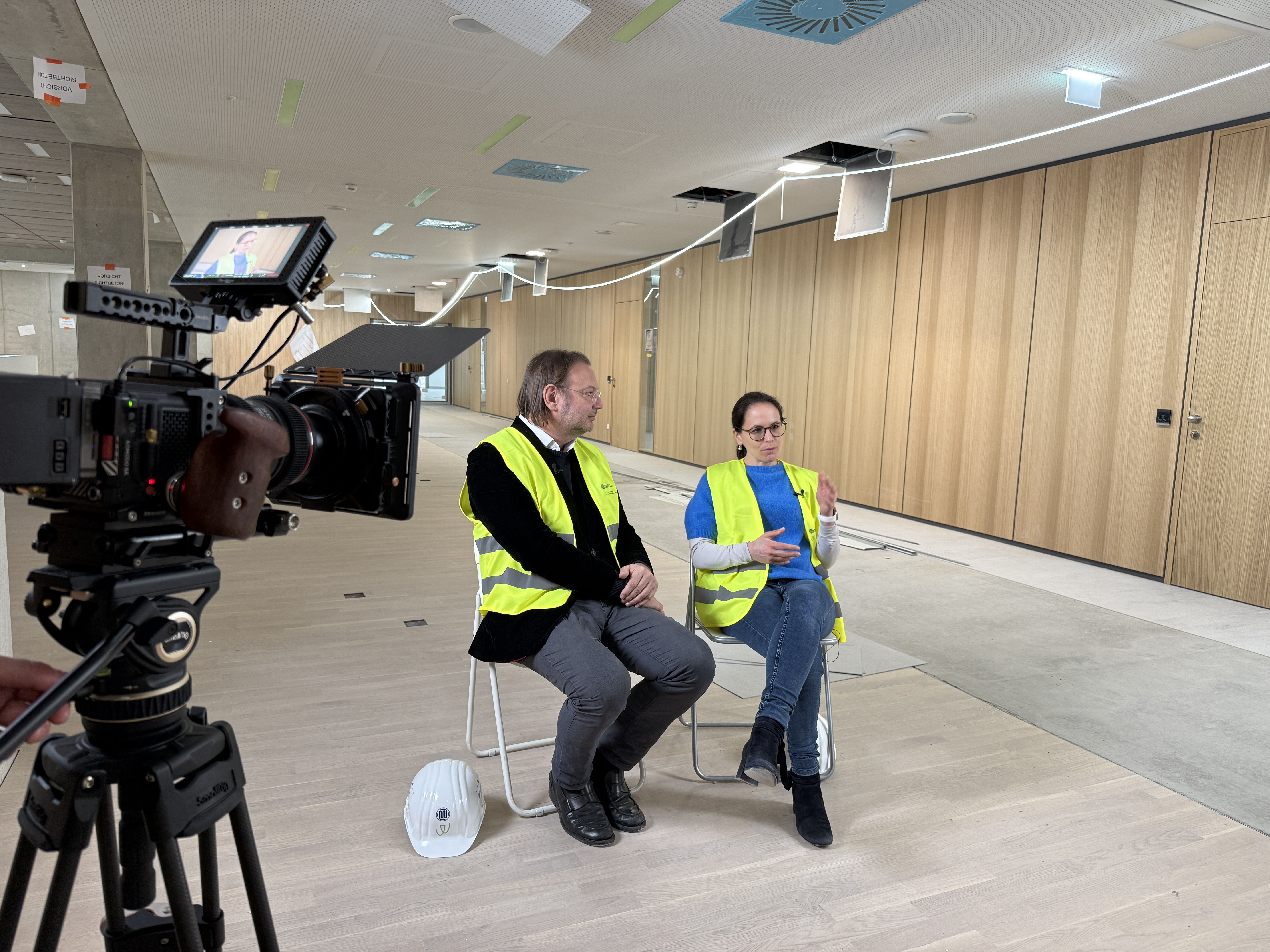
The research of Daniela Pollak, Professor of Behavioural Biology, and Stefan Thurner, physicist and complexity researcher, operates at different levels and is precisely because of this that it complements one another. Whilst Pollak investigates the biological foundations of behaviour, Thurner analyses large amounts of data to reveal connections within the healthcare system.
‘The fact is that everything we think, everything we feel, everything that motivates us – what we commonly refer to as behaviour – all of that takes place in the brain,’ says Pollak. For her, behaviour is not an abstract phenomenon, but one that can be explained biologically: ‘There is no black box, there is no magic; there are molecules, there is chemistry, there is molecular biology and there is genetics. And it’s all already there; we just need to understand it.’

‘There is no black box, there is no magic – there are molecules, chemistry, molecular biology and genetics. We just need to understand it.’
Thurner, on the other hand, approaches medicine through its structures. ‘What interests me is how medicine works,’ he says. Complex systems consist of many interconnected components that influence one another. ‘What is important is that large datasets can be translated into such networks. If you do that well, you can then understand them and draw conclusions from them.’
An increasingly close exchange is emerging between these perspectives. Findings from data analyses can provide new questions for basic research, whilst conversely, experimental results help to better interpret complex models. This creates a learning system that connects different levels of medicine.
New spatial structures are laying the groundwork for this. At the Mariannengasse campus and in centres such as the Eric Kandel Institute – Centre for Precision Medicine (CPM), research groups are coming closer together, not only organisationally but also physically. ‘I believe that the new centres, especially the CPM, also offer the opportunity to truly experience interactions that until now have often existed only on paper,’ says Pollak. This consolidation opens up new opportunities: ‘The combination of related infrastructure, facilities, equipment, but also models – such as genetically modified mouse models – gives us entirely new possibilities to conduct our research in a truly collaborative manner.’
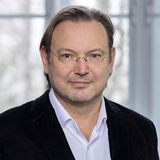
‘What interests me is how medicine works. When you translate large datasets into networks, you can understand them and draw the right conclusions from them.’
For Thurner, the key added value lies in direct exchange.
‘This will become a place where these people come together, meet up, bump into one another and queue at the coffee machines,’ he says. ‘And, at least in our field, these are the places where innovation and new ideas emerge – sometimes unexpected ones.’ A prerequisite for this is a critical mass of researchers working on similar questions – a prerequisite that will be created by the new locations.
For Pollak, too, proximity is key. Part of her research group will be based at the MedUni Campus Mariannengasse, whilst other areas will be utilised at the Eric Kandel Institute – Centre for Precision Medicine. “The workspaces at the new Centre for Precision Medicine will enable me to work in close physical proximity with my collaborative partners,” she says. “I’m really looking forward to that.”
The new research buildings are thus more than just infrastructure. They create the conditions for new forms of collaboration and for a form of medicine that brings together different perspectives.