The path to personalised treatment often begins long before the first therapy is administered: in the laboratory. At the newly opened Center for Translational Medicine (CTM), animal models, molecular analytics and clinical research are being brought closer together. The aim: to better understand diseases, develop new therapies and bring scientific findings to patients more quickly.
After activation, data will be sent to YouTube. Further information here: Data protection
The Center for Translational Medicine’s name itself reflects its mission. Research should not end with a discovery in the laboratory, but should find its way into medical practice. For Klaus Kratochwill, it is precisely this connection that is key: “The whole building is dedicated to translation. It has been a constant throughout my entire research career.”
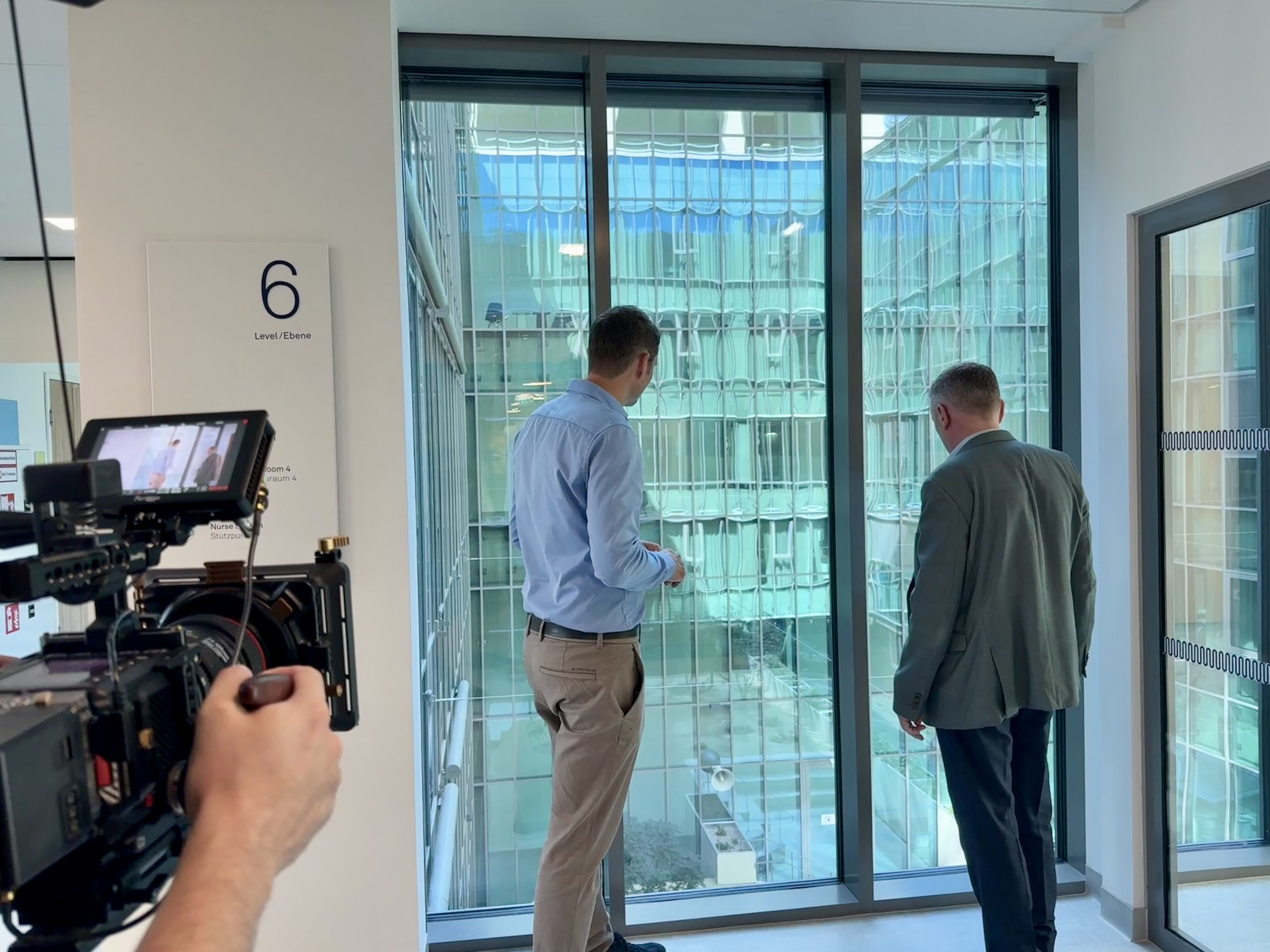
The direct link to the University Hospital Vienna plays a crucial role in this. “We receive patient samples here via the bridge to the University Hospital Vienna; these are analysed using state-of-the-art methods and combined with animal models to understand disease processes, develop therapies and test the efficacy of treatments. And these findings are then fed back into clinical practice,” says Kratochwill, describing the cycle between research and patient care.
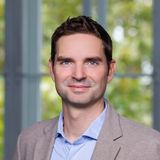
“Using modern methods, we cover the full spectrum of patients receiving medical treatment here, from children to elderly patients, across a range of conditions, from cancer to neurodegenerative diseases and cardiovascular conditions, and from muscular disorders to various immunological diseases.”
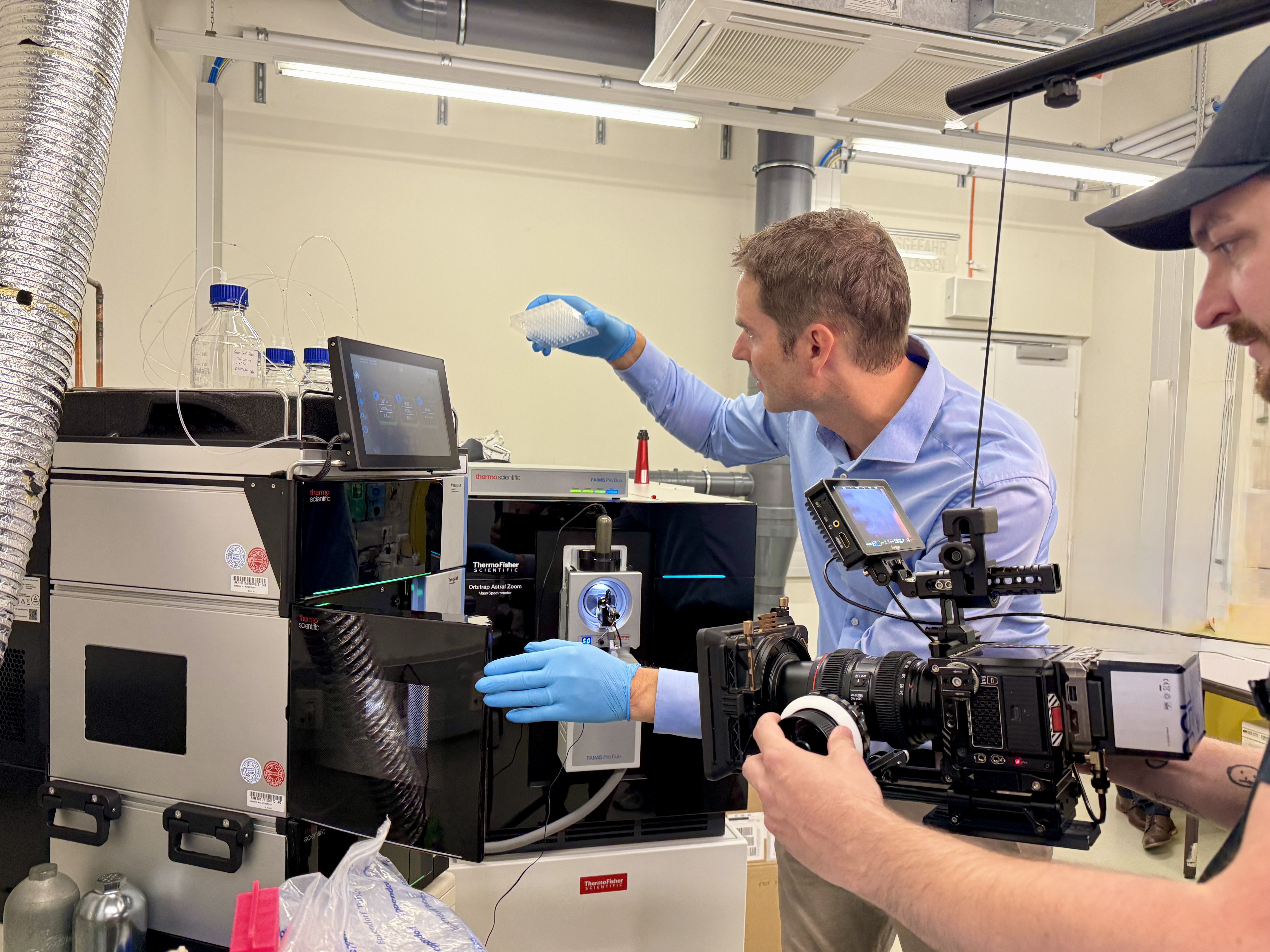
His work focuses on the molecular analysis of biological processes. At the CTM, a wide variety of materials can be examined using modern methods provided by the core facilities and linked to findings from experimental models. The scope extends far beyond individual clinical conditions. “We cover the full spectrum of patients receiving medical treatment here, from children to elderly patients, across a range of conditions, from cancer to neurodegenerative diseases and cardiovascular conditions, and from muscular disorders to various immunological diseases.”
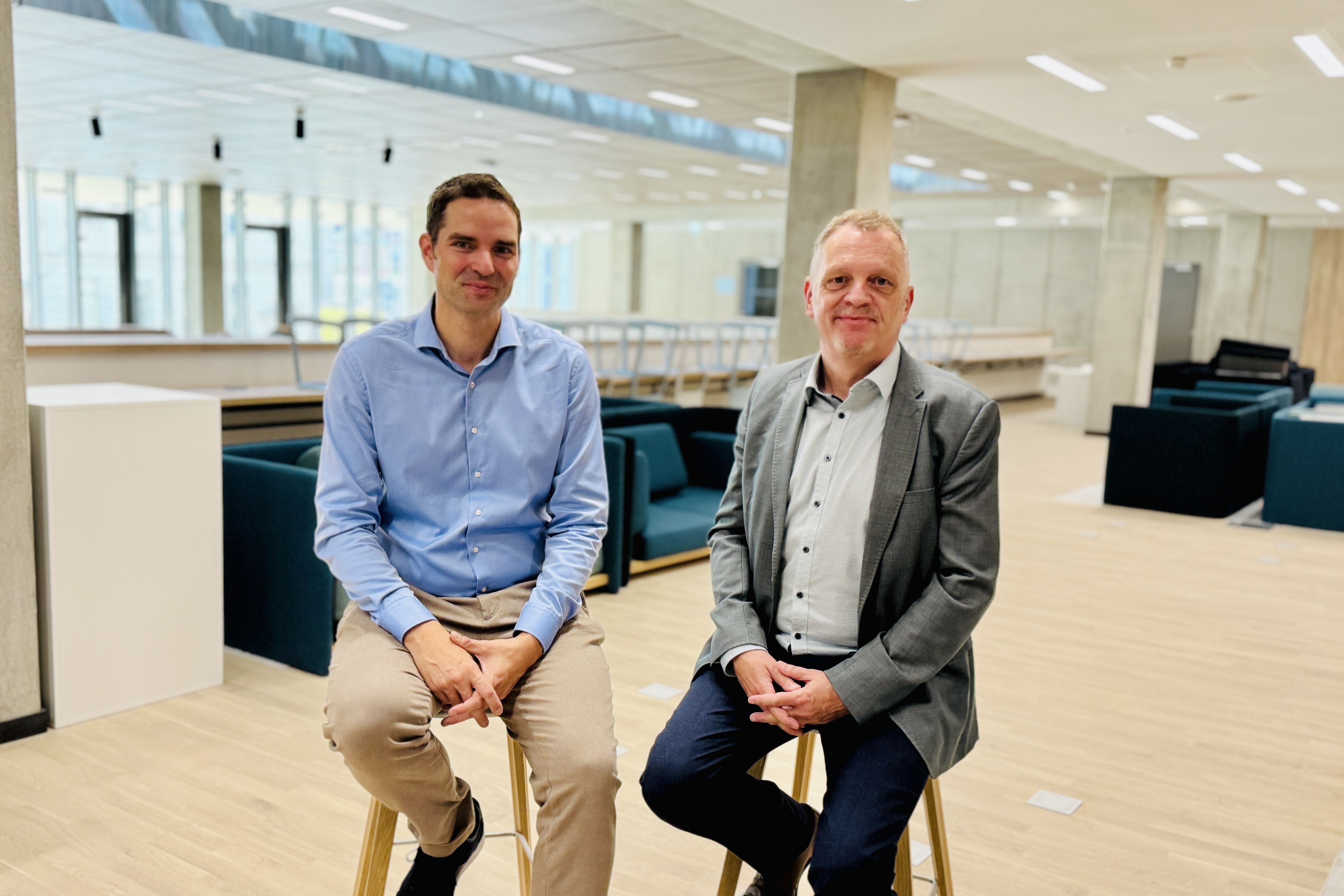
With his Core Facility, Werner Höllriegl is laying a vital foundation for this research. His team provides researchers with a range of services relating to mouse models. The CTM will fundamentally improve the conditions for this work. “We are very much looking forward to having a state-of-the-art, brand-new full-barrier facility. This means we can house our mice under the highest hygienic standards.”
Added to this is a new possibility that is particularly relevant to many current research questions: working with germ-free mice. “These are mice that have no microbiome,” explains Höllriegl. The significance of the microbiome, in particular, is increasingly coming into the focus of research. “We now know that the microbiome plays a central role,” he says. Research is being conducted, for example, into links with cancer or into whether patients respond to certain therapies or not.
At the CTM, these specialised animal models are combined with modern molecular analytics and clinical research questions. This synergy makes it possible to experimentally follow up on observations from samples, gain a better understanding of disease mechanisms and test potential therapeutic approaches. For Höllriegl, it is crucial that the necessary infrastructure is available in one place: “It’s simply a facility that ticks all the boxes. In other words, a place where state-of-the-art technology truly enables cutting-edge research to be carried out.”
The new centre also represents a major step forward for Kratochwill’s day-to-day work. Until now, his team has been working in spaces that have been adapted over the course of decades. In future, the research equipment from the Core Facilities will be brought together in purpose-built, air-conditioned rooms. “For the first time, our machines can be operated in a specially adapted environment, all in one place. This will make a huge difference to quality and enable synergies.”
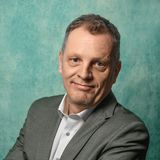
“Talking brings people together. […] There’s certainly a lot of discussion about research, and I believe that’s the driving force behind any kind of collaboration.”
But modern infrastructure alone does not create innovation. The CTM is also designed to bring people and disciplines together. Höllriegl points to the building’s open communal spaces: “I certainly believe that: talking brings people together.” When researchers meet for a coffee and chat, they may discuss personal matters, “but there’s certainly a great deal of talk about research”. For Höllriegl, this is precisely where one of the new centre’s key strengths lies: “I believe this is the driving force behind any kind of collaboration.”
This creates a seamless connection within the new CTM: from clinical questions and patient samples, through molecular analyses and modern animal models, to the development and testing of new therapies. And in the best-case scenario, this path leads back to where it began: to the patients.